
How to Use DCA Correctly?
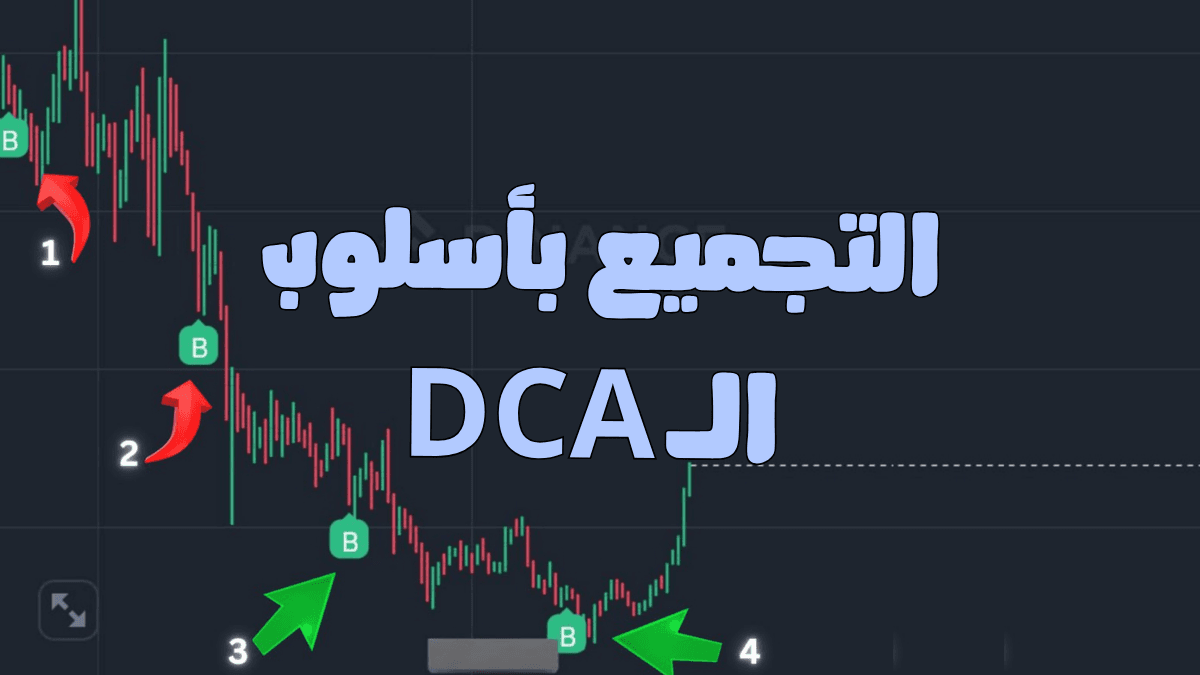
The price dropped? Buy.
It dropped more? Buy again.
It dropped even further? Excellent... buy for the third time.
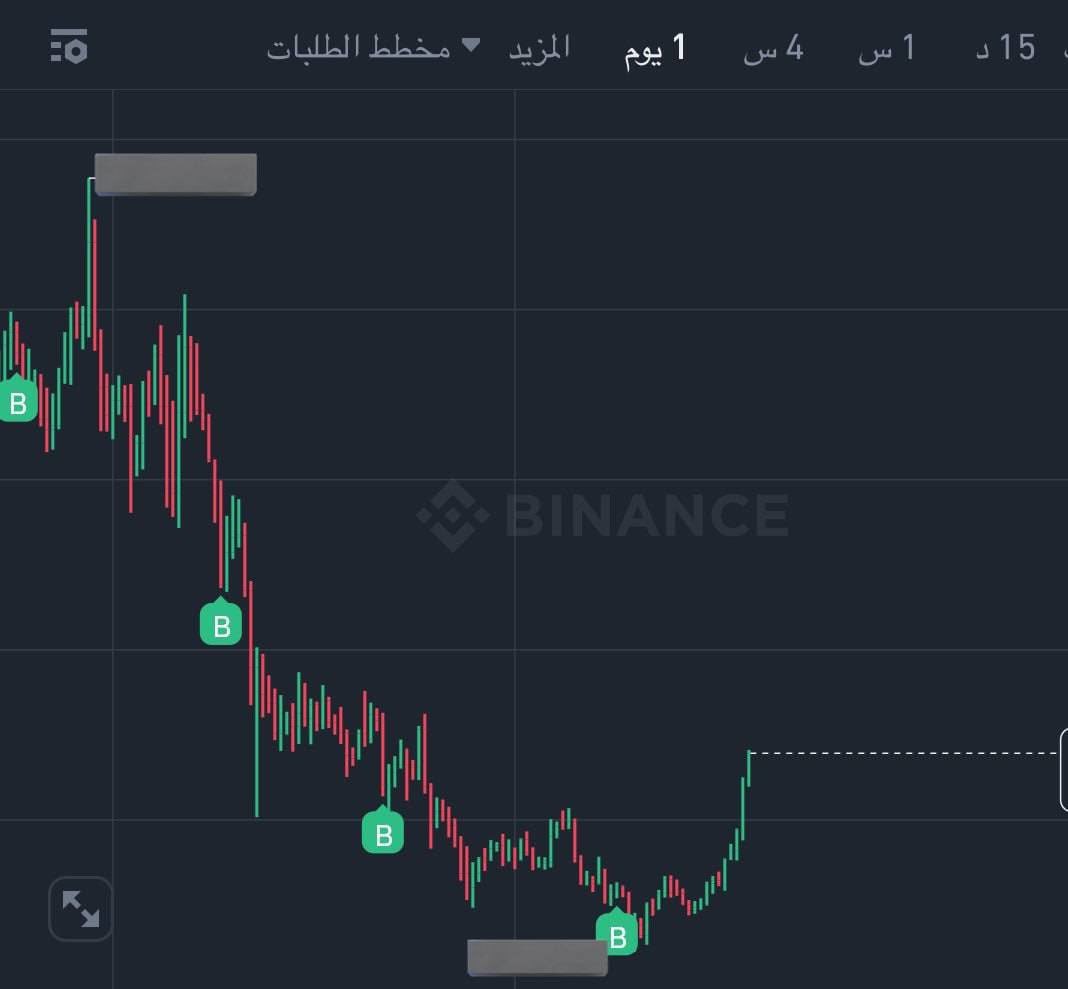
The image in front of you shows four buy orders:
1️⃣ A buy order at the top
2️⃣ A buy order slightly below the top
3️⃣ A buy order at a valid bottom (even though the price later broke below that bottom)
4️⃣ A buy order at a valid bottom
But there's a very important question you need to ask yourself before making any purchase:
This question may seem very simple, but it’s what separates someone who manages their capital professionally from someone who follows the market without a plan.
If you were the one taking these trades with proper risk management, it's natural that you would buy near the top with very small position sizes and gradually increase your exposure with each calculated pullback.
But...
As long as you keep buying every time the price drops, then it drops further, and you buy again...
💬 Even if your capital management is very strong...
You can still suffer significant losses if you keep averaging down every time the market falls.
Because the reality is simple:
Some assets will continue falling indefinitely, no matter how much DCA you do or how many times you buy lower.
And in the crypto market especially, most projects are early-stage ventures, and many are scams or failed projects that may eventually collapse and go all the way to zero.
I previously explained in a YouTube video that when you buy the first bottom as part of accumulation,
you must define from the beginning: when will you buy again, and at what price? 👀
The price is not supposed to control your actions. You should act based on your plan, not based on fear or greed when the price drops.
And this is the difference between someone who manages capital… and someone who chases candles.
So there is a simple breakdown I explained for accumulation: 📊
The first order is the largest.
For example, if you have $100:
Order 1: $50
Order 2: $30
Order 3: $20
Because it’s not guaranteed that the price will come back to touch the next levels.
And keep in mind — you should already define the total amount you want to invest in the asset from the very first order.
It flips the structure.
Order 1: $20
Order 2: $30
Order 3: $50
Because in most cases, the price will continue dropping and hit all your planned levels.
The DCA strategy is one of the strongest capital management tools if used correctly.
But it can become extremely dangerous if it turns into random buying every time the price drops.
Before placing your first order, ask yourself:
Where will I buy?
How much will I buy?
How many times will I add?
And when will I stop buying?
If you have clear answers to these questions, then you are executing a plan.
But if every buy decision is just because the price dropped a little more…
Then you’re not managing capital.
You’re chasing candles
The wrong approach, even if it makes you profit, doesn’t mean it’s correct. And if it works once… it can destroy your portfolio a thousand times after that.
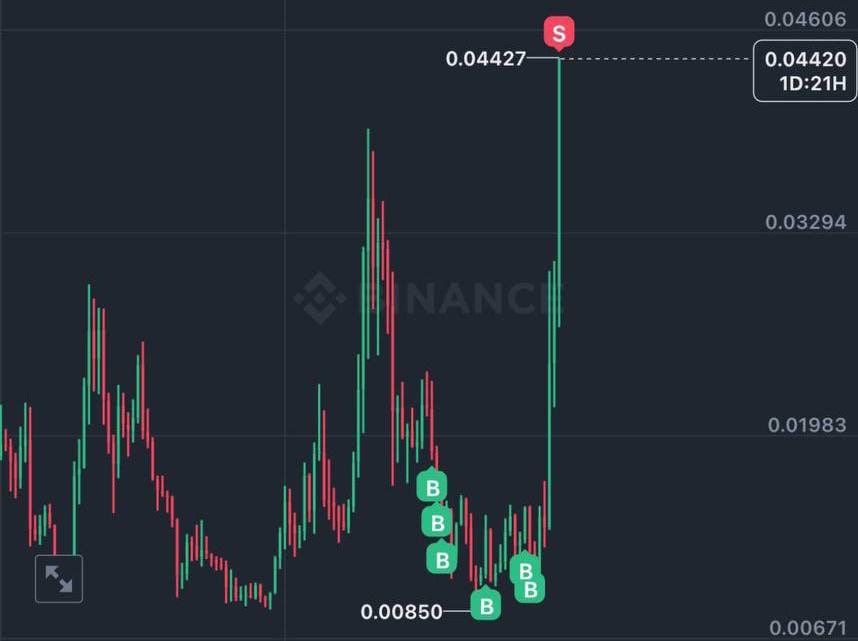
So if you decide to accumulate and use DCA, you basically have only two approaches—no third option:
1️⃣ The first method:
You accumulate in fixed percentages at specific time intervals to build a proper average entry, as explained above.
2️⃣ The second method:
You enter a buy position from a specific level and place a clear stop loss based on your analysis and study, following a defined plan that guides you.
And you only exit the trade if:
🟢 Your target is hit
🟢 Or your stop loss is hit
That’s it—simple and clear. Choose your path… and stay disciplined with it. 📊🧠
But the idea of buying every dip and accumulating randomly every time the price moves against you will destroy your portfolio.