
What Is Inducement in SMC?
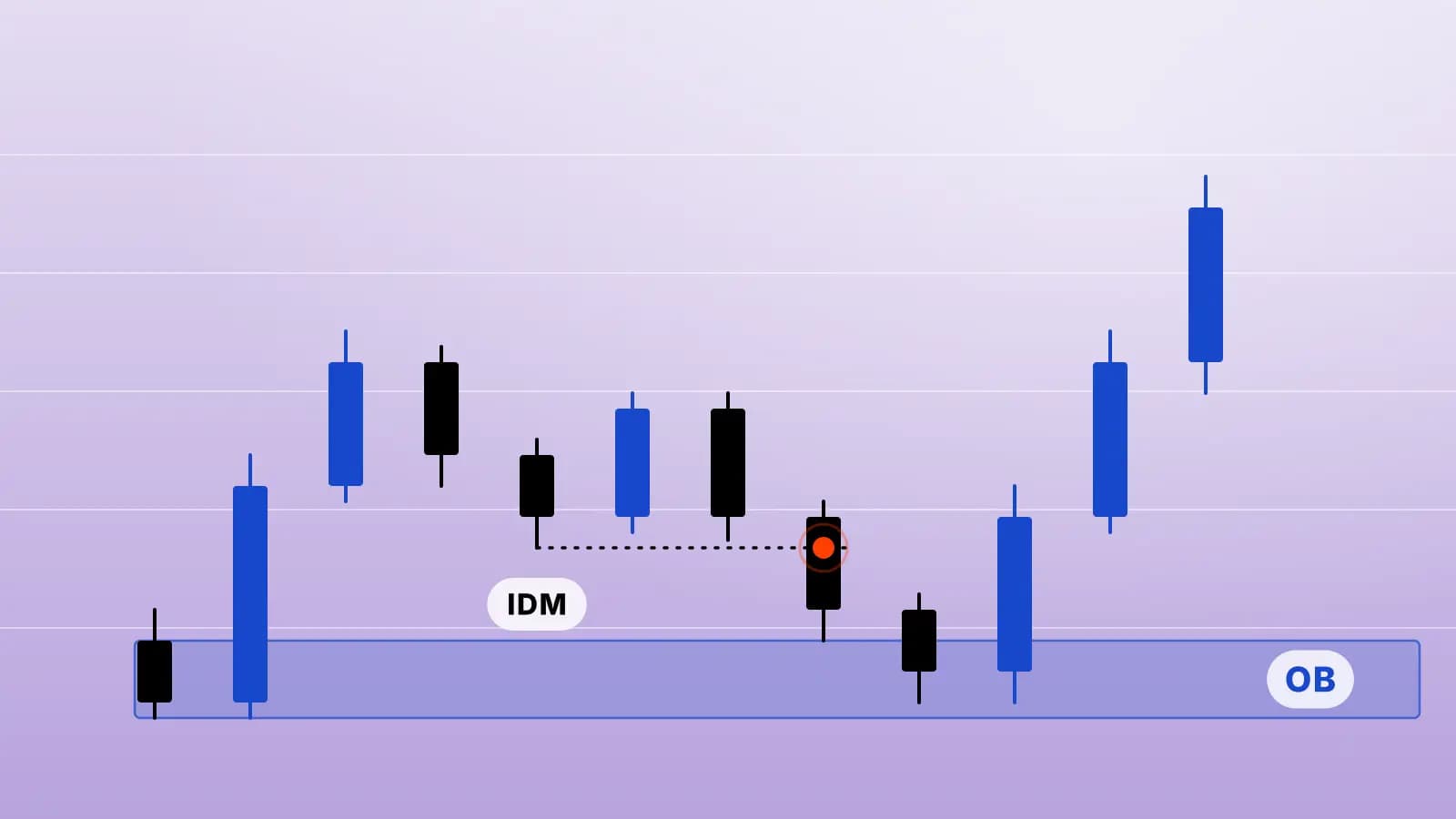
1️⃣- What is inducement? ⚡️
2️⃣- What is the difference between inducement and liquidity?
3️⃣- What is the benefit of inducement in determining the trend?
4️⃣- Is application right or wrong? ⁉️
1️⃣- What is inducement? ⚡️
Inducement is nothing but a type of liquidity that we use in our analysis. If we explain anything in inducement, then we are explaining it in liquidity. Just like you use liquidity on the chart and in determining market structure, you will use inducement as well.
2️⃣- What’s the difference between inducement and liquidity? 🚀
There is no difference, but what’s common in the SMC world is that inducement is the trigger that price must take so it can rise. But it’s not required at all that there be a difference between them. So trendline liquidity, equal highs, and the different types of liquidity are treated the same as inducement.
3️⃣- What is the benefit of inducement in determining direction? 🕯
Market structure is formed through taking liquidity, because in identifying strong highs and strong lows, a basic condition is taking liquidity. So by taking liquidity or inducement, the market structure is determined based on that.
4️⃣- Is your colleague’s application in the picture correct or wrong? ⁉️ And why wasn’t the red low considered inducement while the blue low was considered inducement?

The red low is liquidity and the blue low is liquidity, and both can be called inducement normally. But the more correct thing, like I told you above—and what I would have done—is that I would draw a trendline between the two inducements, and that would be trendline liquidity for me. I would wait for a certain confirmation after it’s broken and enter with the direction.
Now let’s comment on the chart your colleague sent...

Look guys, the rules of analysis schools are not chemistry or physics. Meaning the matter isn’t fixed laws like
“You must take the liquidity of this low” or “We must wait until the liquidity of the other low is taken” blah blah blah 🐤🐤
Your main goal is to take a trade after the liquidity of this low or the other low is taken. (Our goal is to make money, I swear, not to draw a nice chart with words that impress people) 😂
1.❓ Look at the chart in front of you: Did a confirmation happen on the small timeframe after taking the IDMT ?
🟢No, it did not happen.
2.❓ Did a confirmation happen after taking the IDM?
🟢No, it also didn’t happen.
3. ❓So a third question: Was the timeframe choice correct?
🟢The correct timeframe is supposed to be the bigger timeframe than this, because if we draw the swing high on this timeframe you will find it is the same swing high on the bigger timeframe.. so as long as that happened, we must set the bigger timeframe as the main timeframe.. and the timeframe in front of us is the confirmation timeframe.
I would draw a Trend line from the IDM to the IDMT, and for me the entire Trend line is liquidity. I will wait for the price to take this liquidity, and after that I will wait for a Confirmation after the take. So I enter a trade and make money
I won’t busy myself with whether this is real inducement or not, because in the end I will wait for the confirmation that will make me enter a trade.
And watch this video—it will make you understand inducement completely.