
Market Structure vs Liquidity in Smart Money Concept – Which Matters More?

Market Structure and Liquidity in Smart Money – The Real Relationship
Does Liquidity Create Market Structure?
There is no dispute that market structure and liquidity are two fundamental elements that cannot be separated in any financial market.
Some believe that liquidity is what shapes market structure,
while others argue that market structure is what leads to the formation of liquidity.
However, when we dive deeper into the details, we realize that we are dealing with a financial market — and that means capital itself is the primary driver of price movement.
The Importance of Liquidity in Market Movement
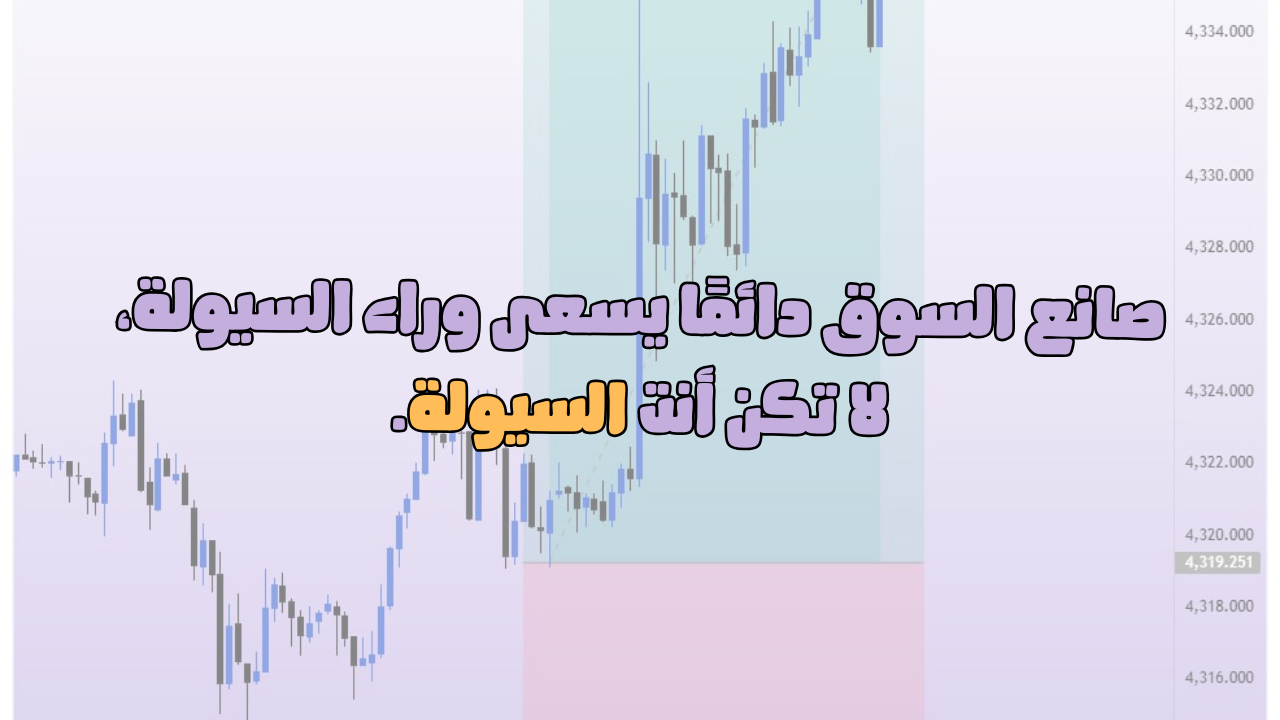
Trend Principle – Dow Theory
Since ancient times — from the very first school of technical analysis known to mankind — there has been one unified rule:
The trend remains intact until proven otherwise.
And this means:
If the trend is bullish, we look for buying opportunities.
If the trend is bearish, we look for selling opportunities.
There is no school of technical analysis that contradicts this principle.
Market Structure in SMC
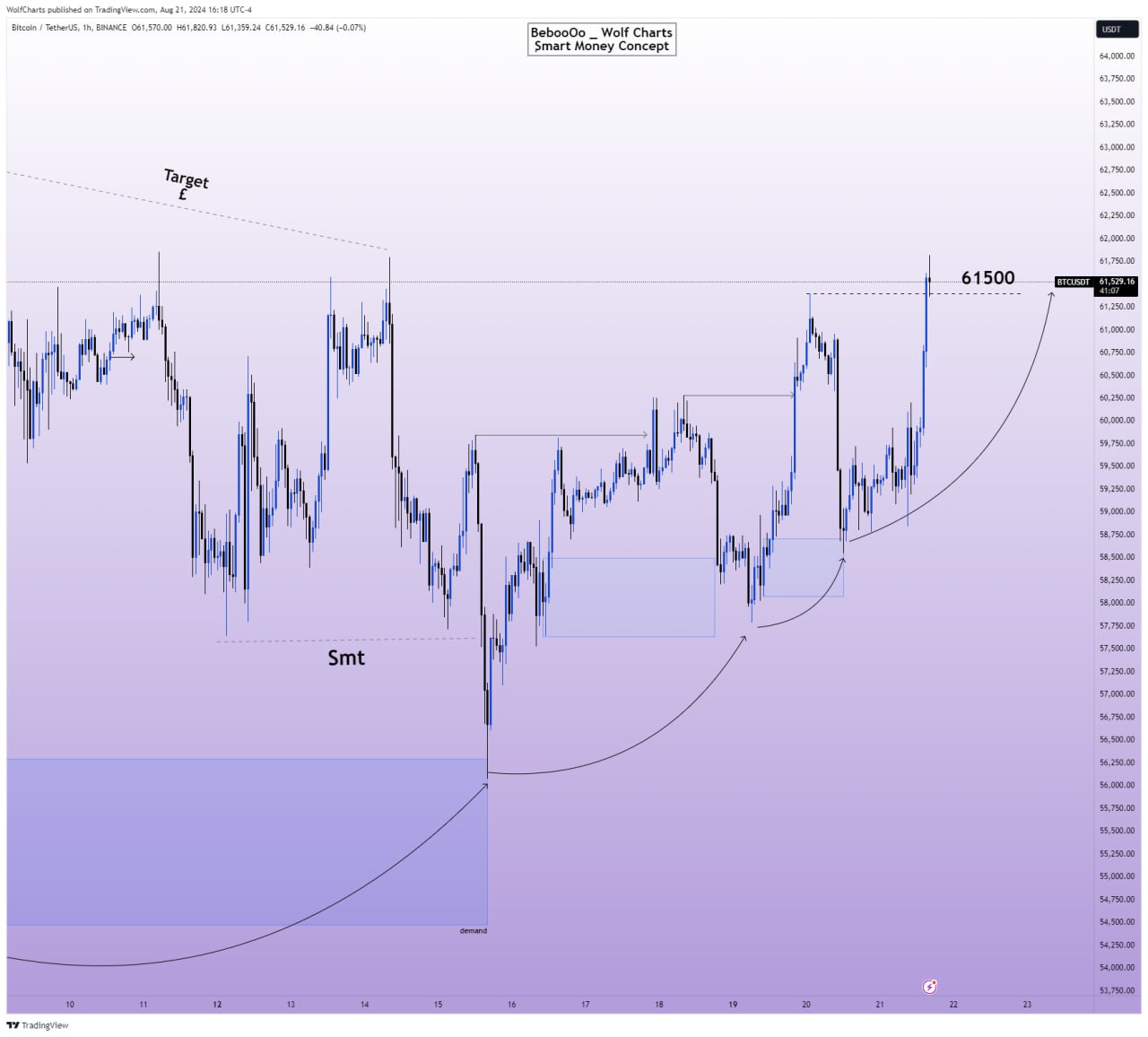
Market Structure in SMC
In the Smart Money Concept school:
The trend is defined by market structure.
Market structure is formed by:
Higher highs and higher lows in an uptrend.
Lower highs and lower lows in a downtrend.
It is not possible to determine trade direction based on liquidity alone;
the overall trend must first be identified through market structure.
How to Approach the Chart Practically
When I open a chart, the first thing I try to identify is the market structure, not the liquidity zones.
After defining the overall trend, I then begin searching for liquidity areas —
liquidity that has already been taken, and liquidity that the market maker may seek to capture next.
Market structure defines the direction.
Liquidity defines the entry and exit points.
The car controls the direction (market structure)…
and the fuel is what moves the car (liidity).
— Analogy: The Car and Fuel
The Complementary Relationship Between Structure and Liquidity
The relationship between market structure and liquidity can be compared to a car and its fuel.
The car represents market structure because it determines the direction.
The fuel represents liquidity because it is what drives the car forward.
A car cannot move without fuel,
and its direction cannot be determined without a steering wheel.
Both complement each other, and neither can be relied upon without the other.
For a step-by-step review of trend direction, swing highs and lows, and liquidity areas, work through the Level 1 SMC course and practice the lessons on a chart.