
Smart Portfolios Explained: Automated Rebalancing & Portfolio Management
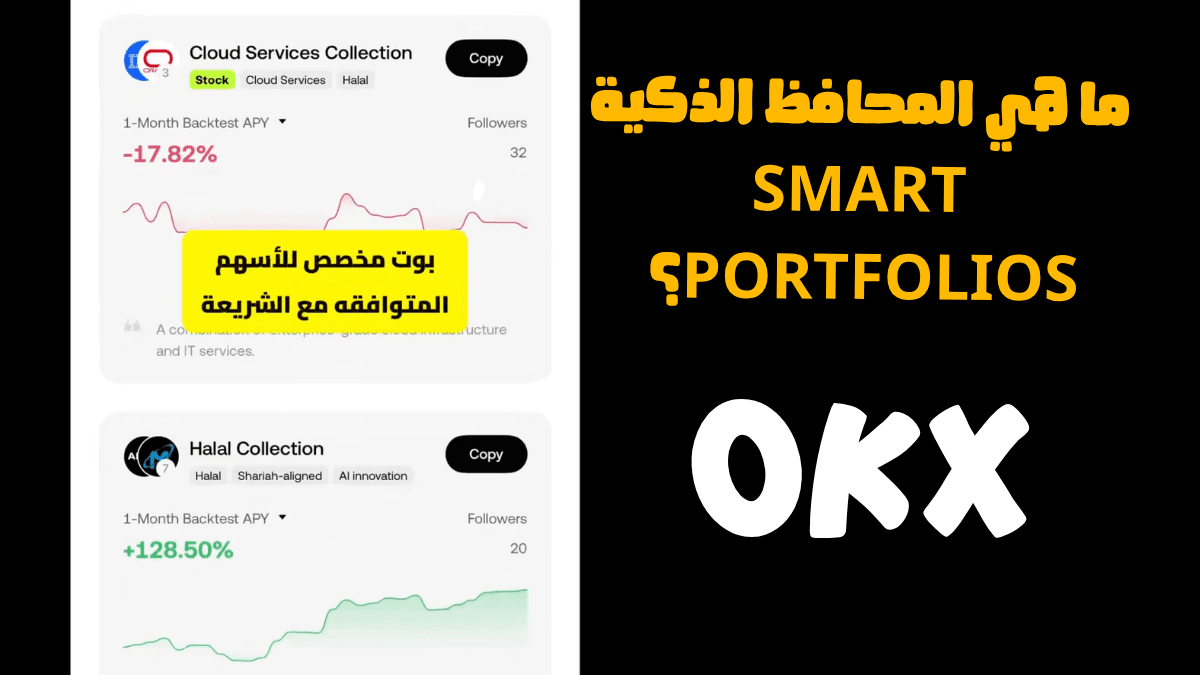
Smart Portfolios: What Are They and How Do They Automate Portfolio Management?
🚨 If you’re an investor who doesn’t want to spend all day watching the market, but still wants a way to manage a diversified portfolio automatically, Smart Portfolios can be an interesting option.
The idea is simple.
Instead of buying every stock or asset individually and constantly checking whether your portfolio is still distributed the way you planned, you can choose a portfolio, set your target allocation, and let the system handle the rebalancing for you.
But there’s an important question here:
Is a Smart Portfolio the same thing as a Trading Bot?
No.
And understanding this difference is probably the most important thing before using this type of tool.
What Is a Smart Portfolio?
A Smart Portfolio is basically an automated way to manage a group of assets.
You decide which assets you want in the portfolio and how much of the portfolio each asset should represent.
For example, imagine you have a $10,000 portfolio and decide to allocate it like this:
Asset A — 40%
Asset B — 30%
Asset C — 20%
Asset D — 10%
At the beginning, everything is exactly where you want it.
But the market doesn’t stay still.
Asset A might rise significantly while Asset C falls. After some time, Asset A could represent 50% of your portfolio instead of the 40% you originally planned.
At the same time, Asset C might fall to 15%.
Your original portfolio allocation has now changed.
This is where rebalancing comes in.
The system can reduce part of the asset that has grown above its target allocation and increase the allocation of assets that have fallen below their target.
In simple terms:
You decide the plan. The system helps maintain the plan.
That’s the basic idea behind a Smart Portfolio.
How Does Portfolio Rebalancing Work?
Let’s make it even simpler.
Imagine you build a portfolio of five assets and decide that each one should represent 20% of the total portfolio.
After a while, one asset performs much better than the others.
Instead of representing 20%, it now represents 30%.
Another asset has fallen and now represents only 15%.
If you do nothing, your portfolio is no longer distributed according to your original plan.
A Smart Portfolio can rebalance the holdings to move them closer to the target allocations.
That could mean reducing some of the asset that has become overweight and allocating more toward an asset that has become underweight.
The important point is that the system isn’t necessarily saying:
“This asset is going to fall.”
Or:
“This asset is going to rise.”
It is simply trying to maintain the allocation you selected.
And that distinction matters a lot.
A Simple Example of a Smart Portfolio
Let’s say you want to build a portfolio containing several U.S. stocks.
You could decide on a structure such as:
AMD — 20%
Another stock — 20%
Tesla — 15%
Apple — 15%
NVIDIA — 10%
Microsoft — 10%
Another stock — 10%
The exact assets and allocations can obviously change depending on your investment strategy.
Now imagine you invest $10,000.
At the beginning, AMD represents 20% of the portfolio, so around $2,000 is allocated to it.
But if AMD rises significantly while the other stocks move less, its share of the total portfolio could become larger than 20%.
The Smart Portfolio can then rebalance the portfolio toward the allocation you originally selected.
If another stock falls and its weight becomes lower than its target, the system can increase its allocation as part of the rebalancing process.
This means you don’t have to constantly calculate the percentage of every position and manually adjust the portfolio.
The system handles the rebalancing instead of you.
Does a Smart Portfolio Choose the Assets for You?
This depends on the type of Smart Portfolio you’re using.
Some platforms offer predefined portfolios based on specific strategies, sectors, asset groups, or investment themes.
Other options allow you to create your own portfolio and decide which assets you want and how much each one should represent.
This is an important distinction because the portfolio itself is still an investment decision.
Automation doesn’t automatically make the underlying investment strategy good.
If you choose a group of assets that doesn’t fit your investment goals or risk tolerance, automatic rebalancing will simply keep managing those same assets according to your chosen allocation.
In other words:
Automation can solve the management and execution problem. It doesn’t automatically solve the investment selection problem.
That part is still up to you.
Is a Smart Portfolio Suitable for Traders?
This is probably the most important part of the whole idea.
If you’re a trader looking for:
Entry points
Stop Loss
Take Profit
Short-term opportunities
Market direction
Specific buy and sell signals
then a Smart Portfolio is not designed to do that.
It isn’t someone sitting in front of a chart analyzing the market and telling you:
“Enter here.”
It’s also not necessarily a Trading Bot that tries to predict short-term price movements based on a technical strategy.
A Smart Portfolio is much closer to an automated portfolio management tool.
You decide how you want the portfolio to look, and the system helps maintain that structure.
That makes it more suitable for investors who are thinking in terms of portfolio allocation and longer-term investing rather than short-term trading.
Smart Portfolio vs. Trading Bot
The difference can be summarized very simply.
Smart Portfolio
You choose the assets and target allocations → the system manages the allocation and rebalances the portfolio.
Trading Bot
You define a trading strategy or set of rules → the bot executes trades based on those rules.
For example, if you tell a Smart Portfolio:
“I want 40% in Asset A, 30% in Asset B and 30% in Asset C.”
Its job is to maintain that structure.
But if you tell a Trading Bot:
“Buy when this condition happens, use this Stop Loss and exit when this target is reached.”
That is a completely different type of automation.
So I wouldn’t look at Smart Portfolios as a replacement for trading strategies.
They solve a different problem.
Can Rebalancing Help With Portfolio Risk?
It can help you maintain your intended portfolio allocation, but this needs to be understood correctly.
Imagine one stock becomes much larger than you originally intended because it has risen significantly.
Rebalancing can reduce your exposure to that position and move part of the portfolio back toward your original allocation.
Likewise, if another asset becomes smaller than its target allocation, the system may increase its weight.
This can help prevent your portfolio from drifting too far away from the structure you originally chose.
But there is an important limitation:
Rebalancing does not eliminate market risk.
If all the assets in your portfolio fall, a Smart Portfolio cannot magically prevent the portfolio from losing value.
The system is managing the allocation.
It is not guaranteeing the direction of the market.
That’s one of the most important things to understand before using any automated investment tool.
Rebalancing Doesn’t Simply Mean “Sell Winners and Buy Losers”
Sometimes people look at rebalancing and simplify it to:
“The stock went up, so the bot sells it.”
And:
“The stock went down, so the bot buys it.”
But the actual idea is more specific.
The goal is to bring the portfolio closer to its target allocation.
The buying and selling are a result of changes in the relative weight of the assets inside the portfolio.
So the system isn’t necessarily making a new investment thesis every time it rebalances.
It is following the structure you already created.
Depending on the Smart Portfolio setup, rebalancing can be triggered based on how far the actual allocations move away from the target allocations or according to the specific rebalancing mechanism available for that product.
The idea is still the same:
“I have a plan, and I want the system to help me maintain it.”
Not:
“I want the system to predict the market for me.”
Who Can Actually Benefit From Smart Portfolios?
The person who may benefit the most is an investor who already has a portfolio strategy but doesn’t want to spend time constantly managing the allocation.
For example, imagine someone who wants to invest for the long term across several assets.
They don’t want to check the portfolio every week and calculate:
“Has this position become too large?”
“Should I reduce it?”
“Did this asset fall enough that I need to increase it?”
“Is my portfolio still close to the original allocation?”
That’s where automation can save time and reduce the amount of manual portfolio maintenance.
But there’s another important point.
Not watching the market constantly does not mean there is no risk.
You still need to review the assets you own and make sure the investment thesis behind your portfolio still makes sense for you.
Because a Smart Portfolio can manage your portfolio according to the rules you selected.
It cannot decide whether those rules are still appropriate for your goals.
If your investment strategy changes, you need to change the portfolio.
What About a Halal Portfolio?
Another interesting example is a Halal Portfolio, where the portfolio is built around stocks that meet specific Shariah-compliance criteria.
The concept is the same.
Instead of researching and buying every stock individually, investors can use a predefined portfolio that follows a particular investment theme or selection criteria, depending on what the platform currently offers.
The advantage is convenience.
You don’t have to build everything from scratch.
But you should still understand what the portfolio actually contains, how the assets are selected, how the allocation works, and whether that approach fits your own investment requirements.
The fact that a portfolio is automated doesn’t mean you should invest without understanding what you own.
Is a Smart Portfolio Right for Everyone?
No.
And that’s completely normal.
If you enjoy active trading, follow charts every day, and make your decisions based on technical analysis and specific entries and exits, you may need completely different tools.
But if you’re a long-term investor with a diversified portfolio and you don’t want to spend your time manually rebalancing it, a Smart Portfolio can make a lot more sense.
You should also pay attention to the practical details before using one:
Available assets
Minimum investment requirements
Fees
Rebalancing mechanism
How trades are executed
Portfolio limitations
Availability in your region
The risks associated with the underlying assets
These details can vary between products and platforms.
For example, OKX provides Smart Portfolio tools designed around automated portfolio allocation and rebalancing, while the specific assets, features and availability can vary depending on the product and user’s region.
Final Thoughts
A Smart Portfolio isn’t a magic system that predicts where the market is going.
The idea is much simpler:
You decide what your portfolio should look like, and the system helps keep it aligned with your chosen allocation.
If you’re a long-term investor who doesn’t want to constantly monitor the market or manually rebalance your portfolio, this type of automation can save you a lot of time and effort.
But if you’re a trader looking for a system that finds entries, sets Stop Losses, takes profits and analyzes short-term market movements, that’s not the main purpose of a Smart Portfolio.
So the question isn’t:
“Is Smart Portfolio good?”
The better question is:
“Does the way this tool works fit the way I invest?”
If the answer is yes, then a Smart Portfolio can simply become another tool in your investment process — helping you execute your plan more consistently without having to manually manage every position all the time.
Try Smart Portfolio on OKX
OKX is an official partner of mine, and the platform offers Smart Portfolio and other tools designed to help users manage their investments and portfolios.
If you’re interested in portfolio automation and want to explore how Smart Portfolio works in practice, you can check out the service directly through OKX:
👉 Start with OKX:
Investing and trading involve risk. Past performance does not guarantee future results. Make sure you understand the product, its fees, underlying assets and associated risks before using it.